WOW MUST GO ON
The wow effect matters.
A lot.
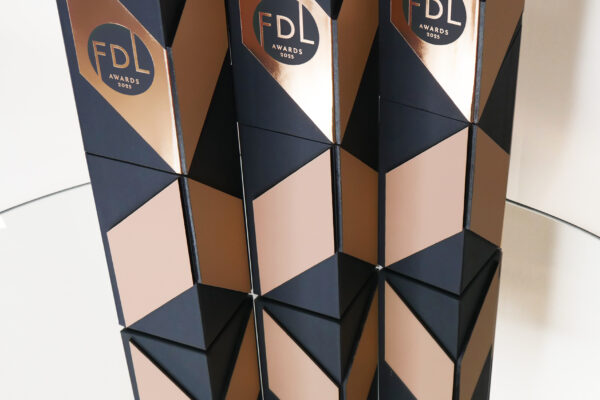
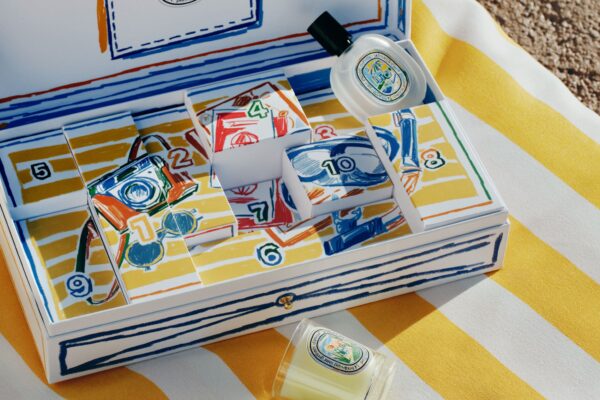
Packaging is not just a container: it is part of the experience, part of desire and, in many cases, part of the purchase decision. A box can reinforce a narrative, elevate a product or turn a launch into something memorable.
But not every wow works.
Purely visual impact, designed only to attract attention once, fades quickly. It creates momentary noise, but rarely builds brand value. There is, however, another kind of wow: one that seduces and endures; one that impresses but is sustained over time.
That is why we speak of meaningful wow.
Wow as a decision, not as a whim.
Meaningful wow means understanding that design is not an end in itself.
Finishes are not chosen because they are fashionable or because of immediate impact, but because they make sense within the brand universe and within the system that makes them possible.
Every aesthetic decision should be able to answer very concrete questions:
Why this finish and not another? Can it be industrialised properly? Can it be repeated campaign after campaign? Can it be defended in terms of production, logistics, sustainability or safety?
When the answer is yes, wow stops being an isolated creative gesture and becomes a strategic brand value tool.
Behind aesthetics, there is structure.
Behind a wow that works, there is much more than a good aesthetic idea.
There is structural design, analysis and a deep understanding of how packaging behaves in the real world.
In luxury packaging, knowing how to design is not just about decorating. It is about understanding what a rigid box needs and what a folding carton needs, what weight they must bear, how they protect the product, how they are transported and how they respond to different temperature conditions throughout the logistics chain.
Every formal decision has industrial, logistical, environmental and safety implications.
That is why meaningful wow is built by teams capable of translating a creative intention into a structural solution that works on multiple levels. Teams that analyse risks, evaluate alternatives, test, fail and adjust until they find the right balance between visual impact, product protection, sustainability and industrial feasibility.
Behind aesthetics, there are life cycle assessments, resistance tests, material choices and many iterations of trial and error. There is accumulated knowledge that allows problems to be anticipated before they appear and solutions to be designed that do not interfere with logistics, safety or the brand’s environmental goals.

Wow that does not compromise the system.
In a market where reimagined icons, limited editions, one-shot campaigns and niche brands with their own visual languages coexist, the challenge is not only to surprise. The challenge is to sustain that level of excellence without compromising quality, deadlines or overall coherence.
A spectacular finish that cannot be produced properly, cannot be repeated or introduces industrial friction ultimately weakens the value it was meant to create.
By contrast, when aesthetics are designed with technical knowledge, process mastery and a systemic vision, impact does not disappear — it consolidates.
This is the kind of wow that does not interfere with logistics, does not compromise product protection, does not contradict sustainability goals and does not conflict with safety. A wow that adds value instead of competing with other decisions.

Technology and know-how at the service of impact.
For wow to endure, more than creativity is needed. Technology, industrial capability and, above all, know-how are required. The ability to execute complex finishes with precision, to maintain high standards over time and to support brands as their needs evolve.
When design and industry work together from the very beginning, wow ceases to be fragile. It becomes repeatable, defensible and scalable. It becomes part of the brand’s DNA, not a one-off exception.

The balance consumers perceive
It is often assumed that certain structural changes, invisible adjustments or technical decisions are barely noticeable to consumers.
But the real question is different:
Do luxury consumers truly not perceive them — or do they simply not know how to articulate them?
Consumers may not be able to pinpoint exactly where the difference lies, but they feel it. Coherence, solidity and the balance between what is seen and what is touched are part of the experience, even if they are not verbalised.
Structure may not be as striking as graphics, but a single poorly designed structure paired with a beautiful visual design is enough to reveal the mismatch: something feels wrong.
In luxury packaging, wow is not born from an isolated spectacular finish, nor from a brilliant structure on its own. It arises from the balance between both: a graphic design that seduces and a structure that supports it, protects it and makes it credible.
That balance is true meaningful wow.
Not a fight for attention, but the construction of a coherent, solid and memorable experience.
Not something that needs to be explained, but something that is perceived.
That is where wow stops being a fleeting effect and becomes brand value.
And that is where wow truly works.